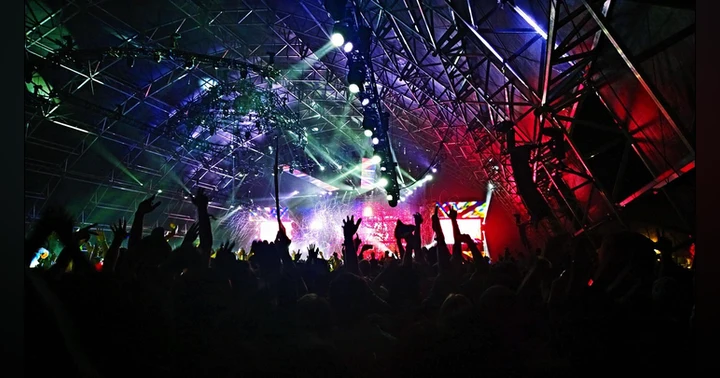
How Men’s Rave Clothing and Rave Clothing Shape Expression in Modern Dance and Festival Spaces
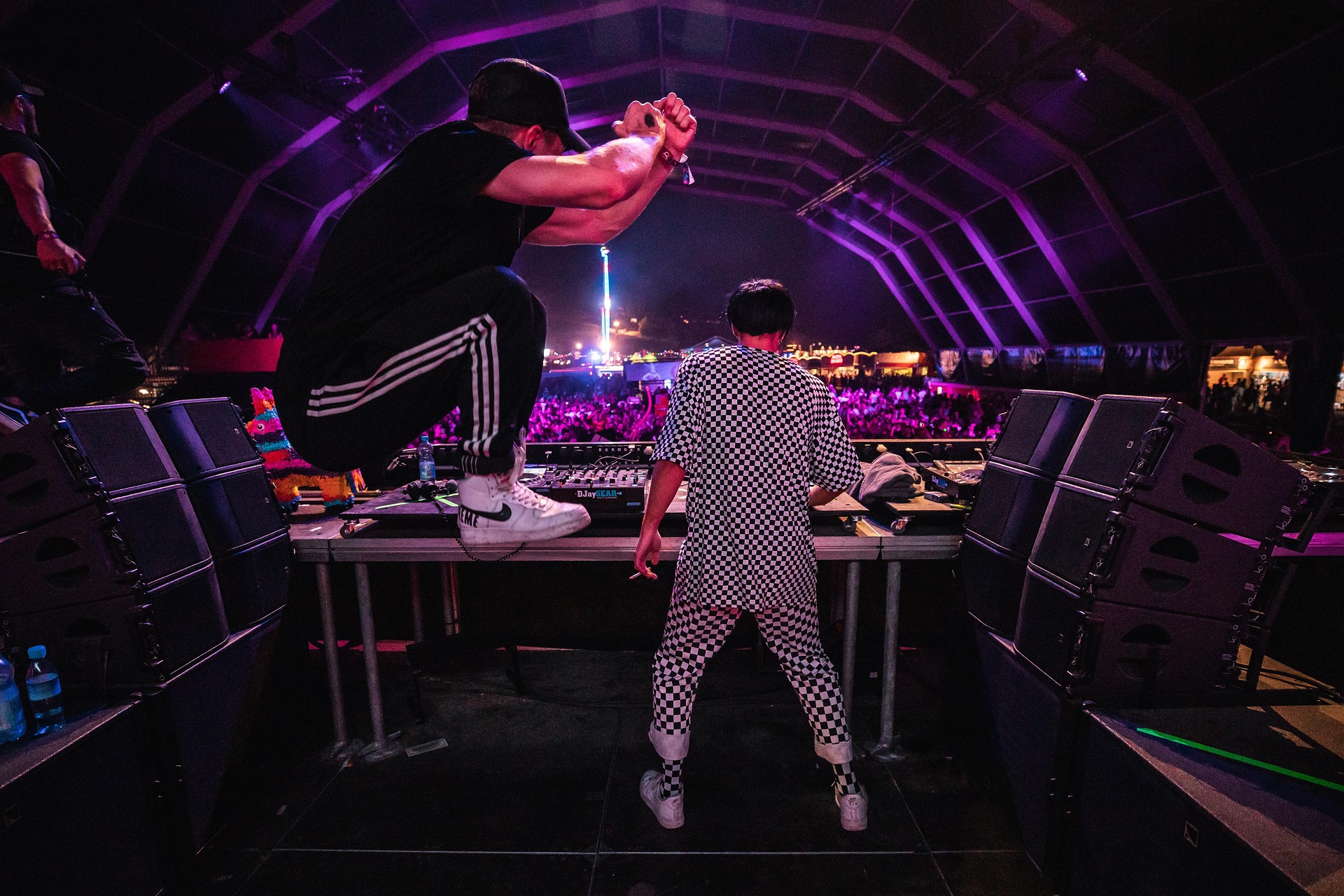
Rave clothing sets the tone the moment you step into a festival space where sound, light, and movement collide. I remember my first late-night set in a converted warehouse, watching the crowd move as one, realizing outfits weren’t chosen for trends but for how people wanted to feel. Clothing became a signal of openness, confidence, and readiness to dance until the lights came back on.
That moment made it clear that festival style is less about fashion approval and more about personal freedom in motion. This is where expression starts before anyone says a word.
Men’s Festival Outfits and the Shift Toward Confidence
Men’s festival outfits have shifted from basic tees to expressive silhouettes built for movement, sweat, and long nights. I’ve watched friends who rarely experiment with style outside events suddenly feel confident wearing mesh tops, reflective joggers, or harness-inspired accessories inspired by modern rave clothing culture.
That change doesn’t come from wanting attention but from feeling safe enough to explore identity in a crowd that encourages freedom. Dance spaces remove social pressure by design, which allows people to test versions of themselves that feel more honest than everyday uniforms. When someone chooses breathable fabrics, flexible fits, and bold textures, they’re prioritizing comfort and self-trust over outside approval.
This is why men’s festival fashion has become a gateway into confidence rather than a costume.
Why Movement Comes First on the Dance Floor
The first rule of any festival outfit is simple: it has to move with you. I learned this lesson after wearing stiff pants to an outdoor set and spending half the night adjusting instead of dancing.
Today’s festival wear focuses on stretch materials, elastic waists, and cuts that support motion without restriction. Lightweight layers make it easier to adapt as temperatures shift from sunset to sunrise. When clothing works with the body instead of against it, movement becomes natural and uninhibited.
That freedom is what keeps people dancing longer and harder.
Color, Light, and Visual Energy
Festival environments transform how color behaves. Neon shades, reflective details, and UV-reactive prints exist because lighting changes constantly.
I’ve watched subtle outfits come alive under blacklight, glowing in ways that surprised even the person wearing them. These visual shifts create instant connections between people sharing the same space. Outfits become part of the light show rather than separate from it. This visual language adds emotion to the experience without needing explanation.
Comfort as a Silent Confidence Boost
Comfort plays a bigger role in expression than most people realize.
When clothing fits well and breathes properly, posture changes and movement opens up.
I’ve noticed the most confident dancers are rarely distracted by adjusting straps or overheating. Soft fabrics and flexible designs allow people to stay present in the music. Comfort removes self-consciousness and replaces it with ease. That ease is what others notice first.
Breaking Gender Norms Through Style
Modern festival fashion thrives on breaking traditional boundaries.
Men experiment freely with cropped tops, layered accessories, and silhouettes that don’t fit everyday expectations. I’ve seen complete strangers compliment each other purely for expressing themselves honestly.
These spaces reward creativity instead of conformity. Clothing becomes a tool for exploration rather than a statement for approval. This openness reshapes how people see themselves beyond the event.
Community Influence and Shared Expression
Festival style evolves through shared experience. After attending multiple events, familiar textures, fits, and aesthetics start to feel like a visual language. Friends often plan outfits together, sharing ideas and inspiration before the event even begins.
I’ve borrowed pieces last minute and discovered they felt more authentic than what I planned. This shared creativity builds connection without forcing uniformity. Everyone contributes their own version of expression to the crowd.
Practical Design Meets Personal Story
Every outfit carries a story, even when chosen for function. Cargo details suggest preparedness, layered tops signal adaptability, and minimal designs reflect focus on sound. I still associate certain songs with the outfits I wore when I first heard them live.
Clothing becomes tied to memory, movement, and emotion. These pieces hold meaning long after the night ends. Practical choices quietly become personal artifacts.
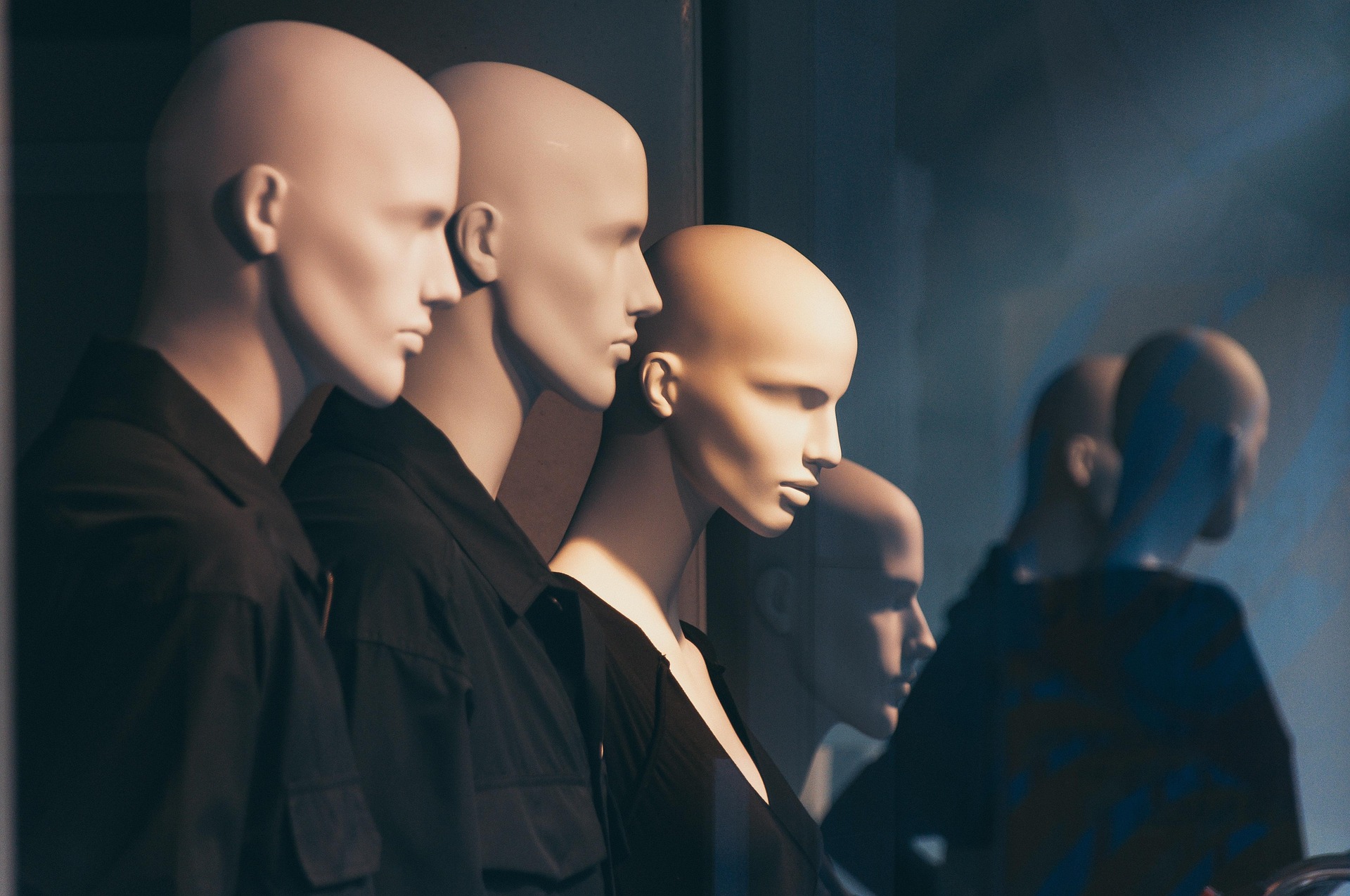
The Evolution of Festival Fashion Culture
Festival fashion has grown from underground necessity into a creative movement. Styles now blend streetwear, athletic performance gear, and experimental design. Trends change quickly, but the core values remain freedom, comfort, and individuality.
I’ve watched older styles return with better fabrics and smarter construction. This evolution mirrors the music itself, always shifting while honoring its roots. Expression grows when people are allowed to show up as they are.
Why Expression Matters in Dance Spaces
Expression isn’t about being noticed, it’s about feeling aligned.
When someone feels good in what they’re wearing, their energy shifts instantly. I’ve danced next to strangers whose confidence made them feel approachable.
That openness leads to shared smiles, conversations, and connection. Clothing becomes a bridge between people who may never speak otherwise. In festival spaces, expression turns individual style into collective experience.
Brandon Johnson | Rave Wonderland | 27.03.2025

Dance Meets Tech: How Silent Disco Events Are Changing the Nightlife Experience