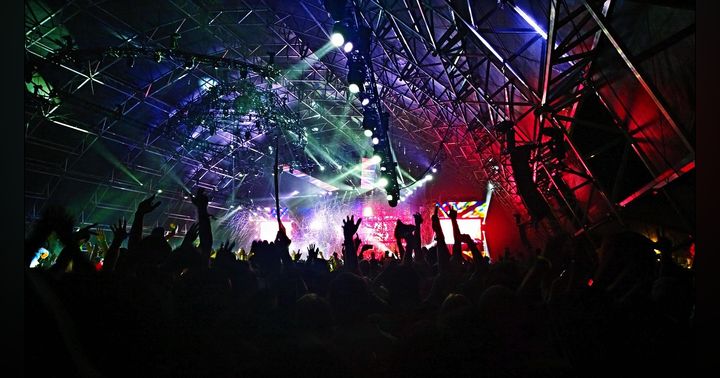
Karaoke as Movement Culture: Why Karaoke Rental for Any Event Is Becoming a Social Dance Experience
The idea of a karaoke party rental has quietly evolved from a novelty into a full-blown movement culture that changes how people interact at events. What once felt like a nervous solo performance now feels closer to a shared dance floor where voices, bodies, and energy move together.
Karaoke Is No Longer Just About Singing
I used to think karaoke was for confident singers or late-night bar crowds. That changed the first time I saw it transform a casual house party. Nobody came prepared to perform, yet within minutes, the microphone was passed around like a shared secret.
People laughed, missed lyrics, and kept going anyway. That is when I realized karaoke is not about talent. It is about permission. Permission to be loud, imperfect, and present.
Karaoke Today Feels Physical, Not Performative
Karaoke today is less about vocal perfection and more about physical release. When lyrics scroll on a screen, people naturally lean forward, tap their feet, and move closer to the sound.
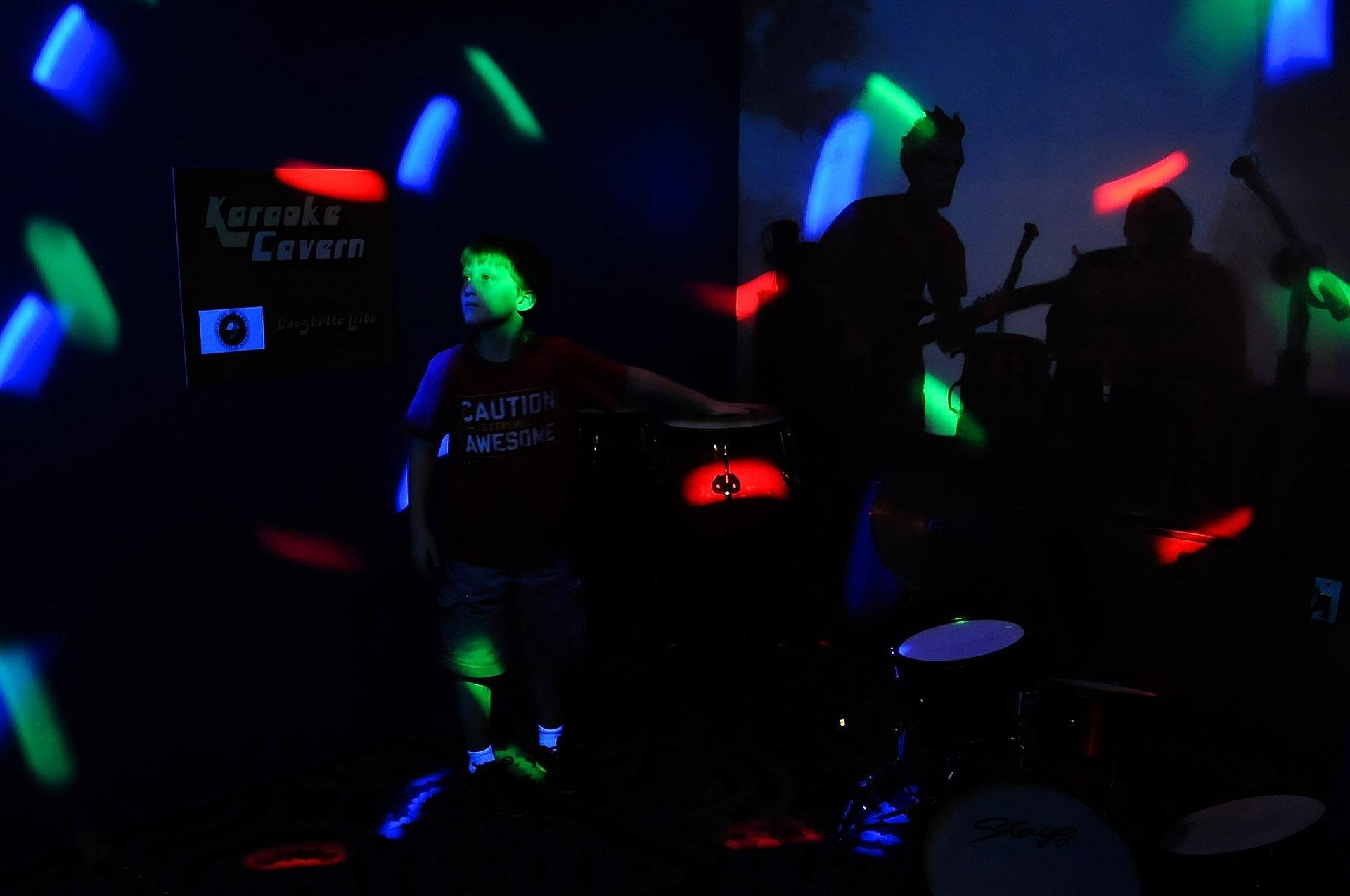
Add wireless microphones and decent speakers, and the body follows the beat, which is why a well-planned karaoke party rental often becomes the center of the room. At one house party I attended, the host cleared furniture without saying a word. People just needed space. The room shifted from listening mode to movement mode in minutes.
This is why karaoke setups now show up at weddings, corporate mixers, and outdoor events. It turns a static crowd into an active one.

Why Karaoke Naturally Becomes a Social Dance
Singing forces people to stand, breathe deeply, and project sound.
That physical engagement pulls the body into motion whether you plan it or not.
I have watched guests sway during verses and fully dance during choruses without realizing it. Unlike background music, karaoke demands attention. Once attention locks in, movement follows. This is how a song turns into a shared physical experience instead of passive entertainment.
Real Moments That Prove the Shift
At a company event I attended, most people stuck to small talk at first. Then someone sang a familiar throwback song. Within seconds, coworkers who barely spoke during office hours were singing together.
A few people started clapping. Others jumped in to harmonize. By the second song, people were dancing between tables. That single moment reshaped the entire night.
Karaoke Connects People Faster Than Conversation
Karaoke removes social hierarchy. Once everyone sounds equally human on the mic, titles stop mattering. I have seen managers cheer for interns and strangers high-five after duets. Those connections feel real because they are built through shared vulnerability. Movement, laughter, and music do the bonding faster than words ever could.
The Technology Made It Easier to Join In
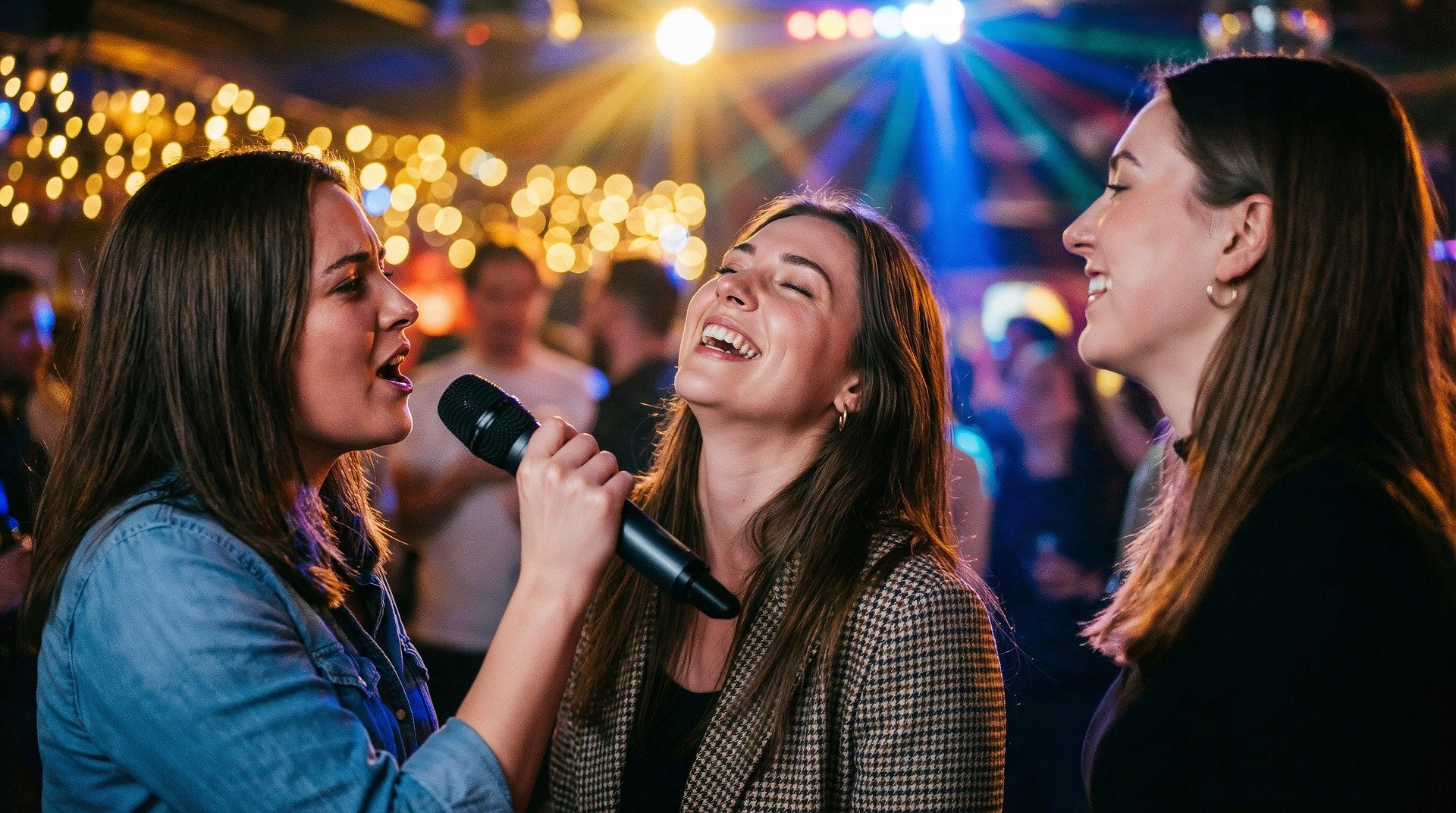
Modern karaoke setups removed the friction that used to kill momentum. Touchscreen song selection keeps things flowing. Wireless microphones encourage movement instead of standing still.
Clear sound systems make people feel supported instead of exposed.
I once watched a shy guest start singing from their seat, then stand, then walk into the center of the room. That progression only happens when the tech gets out of the way.
Karaoke Fits Every Type of Event
Small gatherings benefit from the intimacy of shared singing.
Large events benefit from group choruses and call-and-response moments. Outdoor parties benefit from open space and movement.
Formal events benefit from breaking tension naturally. I have yet to attend an event where karaoke felt awkward once it started.
It adapts to the crowd instead of forcing a mood.
Why Hosts Keep Choosing Karaoke Experiences
Hosts want guests to remember how an event felt, not just what it looked like. Karaoke creates moments people talk about long after the night ends.
Who sang unexpectedly well?
Who surprised everyone by dancing?
Who led the loudest chorus?
Those memories stick because they were lived, not watched.
Karaoke as Cultural Expression
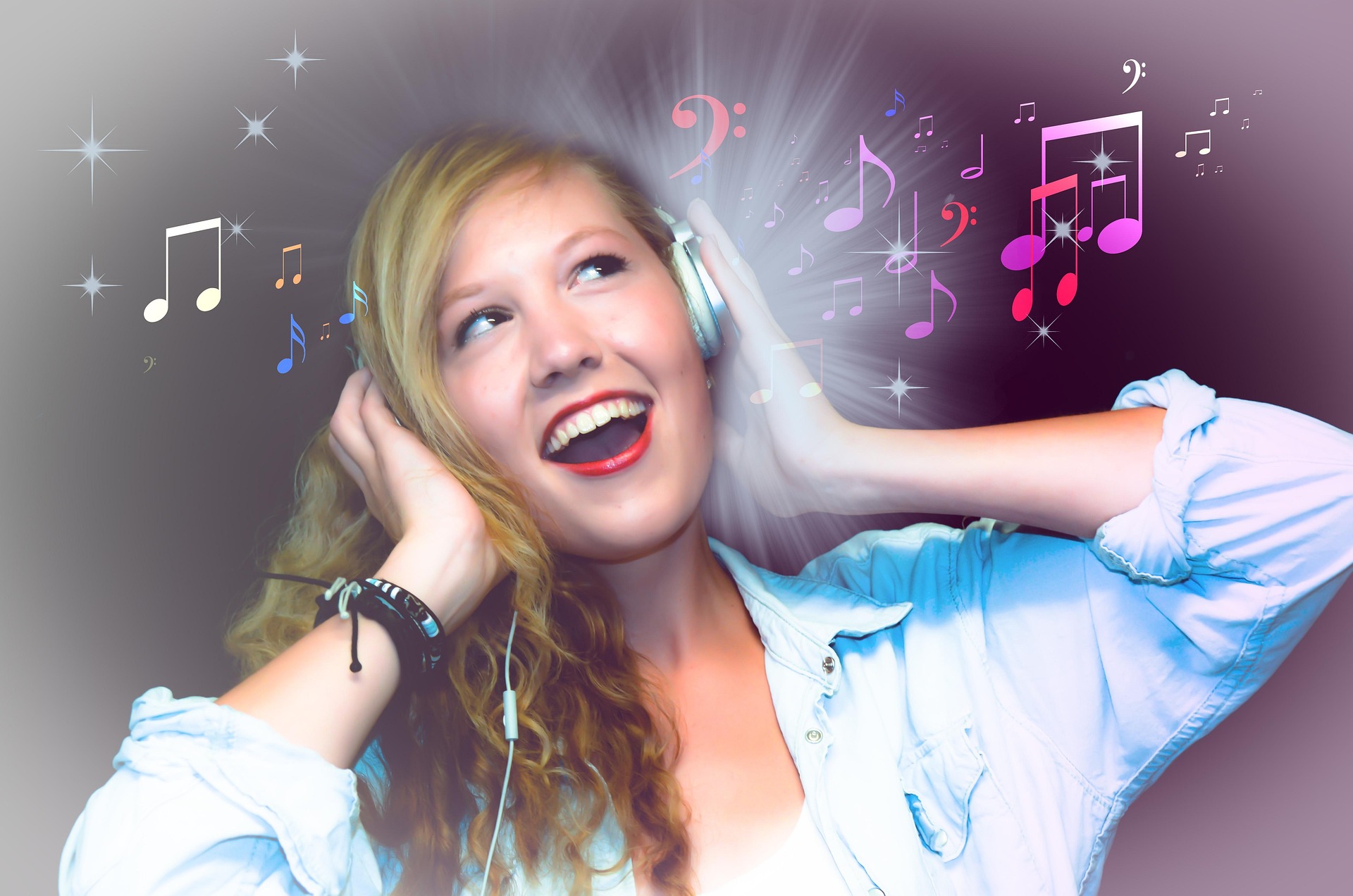
Music tastes vary, but karaoke welcomes all of them.
One person brings a classic hit. Another brings a modern anthem.
Someone else brings a song from a different language or culture.
Instead of dividing the room, it unites it. Applause replaces judgment, and curiosity replaces hesitation. That inclusivity is part of why karaoke feels so powerful.
The Physical Energy People Overlook
Singing engages posture, breathing, and movement. It activates the body more than standing still ever could. I have left karaoke events feeling energized instead of exhausted. That physical release explains why people linger instead of checking their phones.
The body stays engaged, so the mind does too.
Why Karaoke Is Here to Stay
People crave shared experiences more than polished performances.
Karaoke thrives on imperfection, laughter, and participation. It turns music into motion and strangers into collaborators. As events continue shifting toward interaction and connection, karaoke naturally fits.
It is not just entertainment anymore. It is a social dance that begins the moment someone presses play.
Brandon Johnson | Rave Wonderland | 27.03.2026
Dance Meets Tech: How Silent Disco Events Are Changing the Nightlife Experience